Advanced and relaxed: teens as shoppers
Today's teens are a very valuable but challenging audience in terms of marketing. They are trendy but independent; active, but not holding attention on anything for a long time; open but mistrustful. What kind of consumer behavior do they have and how to make friends with them today?
Portrait in youth
First, let's define the terms. Demographers call adolescents people between the ages of 12 and 17 who, from a psychophysical point of view, are in an intermediate state between childhood and adolescence. Marketers who define age groups in terms of purchasing power capture a wider interval - 12-19 years, dividing it into periods of 12-15 and 15-19 years.
According to the research company TNS, there are 13,4 million teenagers in Russia, which is equivalent to the whole population of Cambodia. Of these, at the age of 12-15 years - 5,6 million people. All these people are qualitatively different from their predecessors, today they are already young people aged 25 to 35 years. Today's adolescents are unaware of scarcity and perceive a wide range of goods and services as the norm. They are familiar with computers and the Internet since childhood: 92% of Russian teenagers living in cities are constantly in the online environment and can easily navigate in the abundance of information. Modern adolescents in general can be called advanced-relaxed: everyone knows how, everyone knows, but they, accustomed to wealth, have nothing to fight for. They are sure that everything will come by itself, you just need to wait.
Leo Tolstoy not unreasonably stated that "happy is he who is happy at home." Two-thirds of today's adolescents live in full families, and unlike the previous generation, they are less and less striving to get away from communicating with their parents, who have also changed a lot for the better. According to sociologists from TNS, the opinion of friends affects only 32% of teenagers. Moms (95%), dads (70%), and grandparents (39%) enjoy great authority.
Teens as shoppers
"On average, a Russian teenager spends 600-800 rubles per week, although those in Moscow and St. Petersburg are more affluent, spending 1500 and 1000 rubles per week, respectively . Clothing, shoes, and accessories account for about 35% of their budget," says Tatyana Komissarova, Dean of the Higher School of Marketing and Business Development at the National Research University Higher School of Economics. "Moreover, 74% of teenagers borrow money from their parents and grandparents, while only 10% of teenagers are employed. They spend their money wisely: about 30% of their pocket money is saved for gadgets, as well as perfume and cosmetics for girls and shoes for boys."
Surveys show that today's teenagers are not much influenced by brands: only for 30% of them the brand matters, the rest is important to create your own style. But this does not make it easier to find a way to the heart of a teenage consumer.
“A girl under the age of 12 doesn't care that a shoe brand is called Kotofey, Zebra or Antelope in a childish way. But as soon as she grows up, she is already embarrassed to say at school that her mother bought these chic shoes in one of the children's shoe stores, - says Alexander Vozhdaev, director of advertising for the manufacturer of children's shoes Zebra. - If teenage boys still go to buy shoes with their parents, then girls at this age already want to choose their own wardrobe. Therefore, we try to make the brand more foreign in design, design and verbally. Recently we have a line "Zebra-girl" for girls. It has a different logo, more stylish packaging and a beautiful design of the shoes themselves. The assortment includes shoes, pumps, ballet flats from size 35 to 39 ”.
“When choosing shoes, a teenager wants to look older,” says Sergei Klyushin, deputy general director of Parkomtorg Perviy, which manages the Paris Commune brand. - Therefore, our entire line of teenage collection repeats adult models. Of course, in models for girls, heels are not big, but they are still there, and they clatter effectively. "
Trusting, but verifying
Online shopping is the second most popular activity for teenagers on the Internet after communication on social networks. They most often enter online stores from phones and smartphones: statistics show that almost every teenager has a means of communication with the Internet. “Teenagers are prone to spontaneous purchases, but this is prepared spontaneity,” notes Tatyana Komissarova. “They have already seen these products on the Internet, on TV, in magazines, at their friends' homes.” By the way, TV is no less a close friend of a teenager than the Internet. On average, he spends 12 hours a week watching his favorite channels, including TNT and STS, and 11 hours on the Internet.
Oddly enough, today's adolescents are not passive consumers of advertising information. On the one hand, they are really very open - they are happy to subscribe to e-mail and sms-mailings from manufacturers, they are friends with brands on social networks, but on the other hand, teenagers read reviews about products very carefully before buying and actively write them themselves.
The older the child, the more independence he shows when making a purchase, and the more advertising should be aimed at him, and not at his parents. Today's adolescents are able to convincingly convince adults of the need to purchase a particular product.
Talking about successful advertising strategies for working with a teenage audience, Tatyana Komissarova expressed the opinion that advertising aimed at teenagers should create an emotional reaction and demonstrate that, thanks to the possession of the product, the teenager will be in the center of attention of his friends. Oleg Ulyansky, executive director of the children's Internet portal Tvidi.ru, believes that the main thing is to turn the advertising campaign into a game: by playing with the teenager, the brand becomes his friend. Marketers from Analpa Inc, distributor of the youth brands Keddo and Betsy, rely on interactivity, competition, entertainment and multi-channel to promote their brands. “The key to the success of any advertising is perfect hitting the target audience,” comments Analpa Inc. - A great illustration of such a hit is the autumn-winter campaign of the Keddo brand. As a photo model, we invited the famous video blogger Roma Acorn, the idol of Russian teenagers. And then they used the capabilities of social networks VKontakte and Facebook: they posted a photo session in the Keddo group, launched a contest, in which more than 35 thousand people took part in just a month, and reminded of themselves with a stylish backstage shooting. In the future, we plan to continue cooperation with well-known bloggers and other idols of youth. "
By the way, if we talk about promotion with the help of stars, according to TNS, the most popular among adolescents are Angelina Jolie, Brad Pitt, Johnny Depp, David Beckham, as well as Russian athletes Maria Sharapova, Fedor Emelianenko, Evgeni Plushenko, Igor Akinfeev.
Many youth brands focus on the creativity and visual expression that today's teenagers love. Examples are contests for the most creative photography in branded shoes, as did the shoe store XXI Century, which gave the winner a pair of new Dr. Martins, the brands Keddo and Betsy, which awarded the lucky ones with tablets, and the Converse brand, which presented stylish sneakers to the authors of the best travel photos.
All of these factors - the ability to express oneself, become visible among peers and be successful in the future - can be used in a marketing campaign designed to build the trust of teenagers.
World Footwear Yearbook: Russian footwear market statistics for 2020
Global restructuring. How sanctions affected the international transportation market
Russian business lacks capacity for delivery from Turkey
Marking shoes started. MTCT appointed as operator of pilot labeling project
The goal is maximum: to eliminate the smuggling of shoes on the Russian market and not to strangle small businesses
 Shoes Style and its Discoveries. An Interview with Anton Bazylev, Prize Winner of the International Shoe Design Competition
The international shoe design competition Shoes Style, held in Moscow this year, showcased many interesting footwear and accessory collections. Shoes Report recently published a story about the winners—third-year students from Kosygin Russian State University, Margarita Skvaznikova and Egor Lysov, who presented their "Retrospective" shoe collection at Shoes Style.
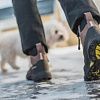 ICEBUG at Euro Shoes: Swedish Innovation in Grip Technology
ICEBUG is a Swedish company steeped in innovation and creativity. Our rapid growth is a result of our expertise in grip and technology. Since its inception, ICEBUG has been creating footwear with superior grip and is always striving to improve grip even further.
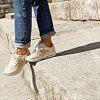 KV+ will present versatile sneakers for both sports and urban wear at Euro Shoes.
The Swiss brand KV+ is not so well known to the general Russian audience, but it is well known in the world of skiing, because it was there that KV+ took its first steps and actively developed. The Swiss brand has earned the trust of the professional sports audience over the past 35 years. At the same time, the Russian sports market of ski equipment has always been a priority for the Swiss.
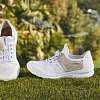 Rieker and Remonte are regular exhibitors at Euro Shoes: meet your favorite brands at the exhibition from August 25 to 28 at the Central Trade Fair Center.
Riker and Remonte will present their Spring/Summer 2027 collections at the Euro Shoes exhibition (August 25–28, WTC Congress Centre).
 New brands at Euro Shoes in August!
At the end of the month, from August 25th to 28th, the international footwear and accessories exhibition Euro Shoes Premiere Collection will take place in Moscow at the WTC Congress Center on Krasnopresnenskaya Embankment. We'd like to introduce you to the new exhibitors at Euro Shoes, who will be presenting their collections of footwear, accessories, shoe care products, and leather goods.
 From July 27 to 29, the Euro Shoes@CAF_Eliteline 2026 exhibition will be held in Almaty, Kazakhstan.
Elite Line is an international specialized exhibition of footwear, fur, leather, and accessories. The exhibition will feature collections from international and domestic manufacturers from Russia, Turkey, Germany, Italy, Kazakhstan, and other countries.
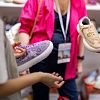 How to learn to effectively manage store customer traffic?
Customer traffic in shopping malls and street retail is declining; people are shopping less offline for a number of objective reasons, one of which is the convenience of online shopping with all its advantages. And yet, offline shopping continues to thrive. How can we control store traffic, learn to correctly calculate and influence the number of people visiting stores to ensure profitability?
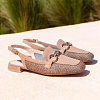 "When Customers Are Few: How Fashion Store Owners Can Squeeze the Most Out of Every Customer"
In recent years, offline retail in clothing, footwear, and accessories has been operating under conditions of a steady decline in incoming traffic. By the end of 2025, offline store traffic in Russia had declined by 8-15%, with the offline segment's purchase rate declining more sharply than the overall market, according to Retail.ru. According to statistics from individual shopping centers, the decline by the end of last year was between 15 and 25%. How can salespeople effectively engage with customers in such challenging conditions? We'll explore service strategies in low traffic conditions with SR expert Elena Vinogradova, who specializes in purchasing and sales in the fashion business. The expert shares proven methods with practical examples of speech modules. Elena is confident that, in a context of declining traffic, high-quality service is becoming the main competitive advantage for the shoe industry.
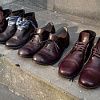 How the Masters Forge. Interviews with the Winners of the International Shoe Design Competition, Shoes Style
In May 2026, the finalists of the international footwear design competition, Shoes Style, were awarded again in Moscow. The annual competition is held by A.N. Kosygin Russian State University, a university that trains shoe designers and technologists, and attracts students from design universities in Russia and the CIS.
 How to sell more without losing customer trust?
Today, discounts and sales are no longer considered an effective tool for achieving sales targets. Furthermore, online and offline stores offer consumers virtually the same price for shoes, and consumers often choose not the cheapest option, but the easiest and fastest one. This is why service and soft sales are becoming a key competitive advantage for shoe stores, says Maria Gerasimenko, an expert at SR in fashion business management and development.
 Euro Shoes: the industry's leading footwear exhibition will be held August 25–28 at the WTC Congress Center.
At the end of August, Moscow will once again become a magnet for the footwear industry: the WTC Congress Center on Krasnopresnenskaya Embankment will host the international exhibition Euro Shoes Premiere Collection—a specialized B2B event for footwear industry and fashion retail professionals, the key industry event of the new purchasing season and the development of fashion retail assortments. Over 100 companies and brands will participate in the exhibition, presenting their spring/summer 2027 collections of shoes, bags, and accessories to professional visitors. A working meeting of the National Footwear Union of Russia (NOBS) will be held as part of Euro Shoes, featuring footwear companies, professional associations, marketplaces, and independent experts.
 The share of marketplaces will grow
The footwear category on Ozon Fashion shows steady growth
The share of online sales in fashion is growing, and last year it was already more than 54%. Buyers are increasingly buying clothes and shoes online, and the lion's share of these purchases are made on marketplaces. Ozon is one of the leading players in the Russian fashion market, and the Fashion direction on the platform is the fastest growing. About trends in online trading, about the specifics of the shoe market and recommendations for brands planning to sell shoes through the marketplace - in an exclusive interview with SR with the Commercial Director of the Footwear direction at Ozon Fashion Olga Moskvicheva.
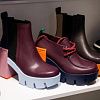 What factors influence pricing, and how to work with retail prices for shoes
Footwear retail is one of those segments that is highly dependent on seasonality. Pricing in the footwear business, in turn, depends on a multitude of factors, from production costs to the vagaries of weather and regional factors.
SR's expert in product assortment and management, Emina Ponyatova, discusses the key principles of pricing footwear products, as well as the main pressure factors and challenges facing footwear retailers in 2025, and offers recommendations on how to ensure successful and profitable retail.
 New Tamaris Spring-Summer 26 Collection: Comfort and Elegance in Every Model
German footwear and accessories brand Tamaris will present its new Spring-Summer '26 collection at the Euro Shoes exhibition in Moscow, from August 27 to 30.
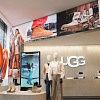 Creating an emotional connection through a showcase
Emotional response from customers is the key to successful retail sales. Shop windows are capable of not only attracting attention, but also evoking emotions: from joy and nostalgia to a sense of belonging and the desire to possess. Using psychological triggers in shop window design helps turn a passerby into a buyer. SR expert in visual merchandising and retail design Viktor Malygin talks about approaches to the concept of shop window design and current themes and plots for presenting goods in shop windows.
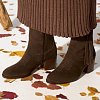 MARCO TOZZI presented his Fall-Winter 2025/26 collection in Moscow.
A harmony of comfort and elegance, fashion trends and classic essentials—German shoe and bag brand MARCO TOZZI presents its new Fall-Winter 2025/26 collection.
 Euro Shoes starts on August 27th!
The leading international exhibition of footwear and accessories in Moscow, Euro Shoes premiere collection, starts next week!
 Euro Shoes: The Fall Premiere That Set Trends and Raised Acute Questions for the Industry
From August 27 to 30, Moscow once again became the shoe capital: the international exhibition Euro Shoes premiere collection was held in the congress center of the Central Trade Fair on Krasnopresnenskaya Embankment. For four days, the exhibition brought together leading global brands, buyers and industry experts, becoming a place where fashion trends are created and business alliances are formed.
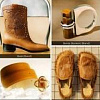 Three fashionable colors for accessories and shoes for the fall-winter 2025/26 season
Each season, trend bureau Future Snoops (formerly Fashion Snoops) identifies key colors for different product groups. For shoes, bags, and accessories, the forecast takes into account the specifics of the categories and is based on general cross-market color forecasts for the season. The three colors described in the article below will influence the accessories market in the fall/winter 25/26 season, helping you promote trendy new items and update classic styles. These shades have beautiful and delicious names: "Ice Star," "Honey Glaze," and "Cherry Jam."
 Euro Shoes — March 4-7, 2026 at the WTC Congress Center
From March 4th to 7th, leading brands from Europe, Asia, and the CIS will gather at the WTC Congress Center in Moscow to present their Fall/Winter 2026 collections, capture current trends, and set the direction for the fashion industry.
 Customer profiling in a shoe store. What is this technique and how can it be used in sales?
Profiling is a scientific method of "reading people," allowing one to create a psychological profile of a person and predict their actions or behavior in certain situations, or even catch them in a lie. Profiling is used in sales because the salesperson needs to understand a person's emotional state and their underlying motivations for purchasing. An expert and practitioner in sales growth in fashion, SR, discusses this method and its practical application in footwear retail.
 Shoe educational program: what shoe soles are made of
“What is the difference between TEP and EVA? What does tunit promise me? Is PVC glue? What is the sole of these shoes made of? ”- the modern buyer wants to know everything. In order not to smash his face in front of him and be able to explain whether such a sole suits him in soles, carefully read this article. In it, process engineer Igor Okorokov tells what materials the soles of shoes are made of and what makes each of them so good.
 How to set prices that will earn
Some businessmen still confuse the concept of margin with the concept of trade margins and set prices for their goods, guided solely by the example of competitors. No wonder they go broke! Analyst at the Academy of Retail Technologies Maxim Gorshkov gives several tips and formulas with which you can set not only ruinous, but also profitable prices.
 Sales of shoes and accessories: effective techniques for business rhetoric
Which speech modules are effective in communicating with potential and current customers of shoe stores, and which are not, Anna Bocharova, a business consultant, knows.
 We form the salary of sellers: expert advice
“How do you charge your consultants for personal or general sales?” Is one of the most popular questions causing a lot of controversy and gossip on the online forums of retail business owners. Indeed, how to properly form the earnings of sellers? But what about bonuses, where to get a sales plan from, do employees allow them to buy goods at discounted stores? In search of truth, the Shoes Report turned to a dozen shoe retailers, but no company wanted to disclose its motivation system - the process of its development was too complicated and individual. Then we asked four business consultants, and finally became convinced that the topic of seller motivation is very complex, because even our experts could not come to a common opinion.
 The whole truth about Bayer. Who is he and how to become one?
Bayer is no longer a new, but still a popular and sought-after profession. It’s fashionable to be a buyer. Buyers are at the origins of the emergence and development of trends. If the designer offers his vision of fashion in the season, then the buyer selects the most interesting commercial ideas. It is on buyers that the policy of sales of stores and what, in the end, the buyer will wear depends on. This profession is surrounded by a magical fleur, often associated with a lack of understanding of what exactly is the work of a buyer.
 Technology Selling Issues
There is nothing worse than meeting the buyer with the words “Hello, can I help you with something?”, Because the seller works in the store just to help. Criticizing this well-established pattern of communication with the buyer, Andrei Chirkarev, business coach for effective sales and the founder of the New Economy project, shares the technology of truly selling issues with readers of Shoes Report.
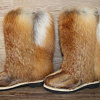 Fur, and not only: types of lining
In the production of winter footwear, various materials are used that are designed to retain heat and meet the requirements of consumers: natural sheepleather, artificial fur, artificial fur from natural wool and others. All types of lining fur have their own advantages and disadvantages. Let's consider the properties of each of them.
 The best models of Czech shoes of the past
In Soviet times, for shoes from Czechoslovakia sold under the Cebo brand, customers stood in line for four hours and did not regret it, because Czech shoes were considered to be of high quality, comfortable and fashionable. Shoe designer Juraj Shushka shared a photo archive of his collection with Shoes Report magazine, which contains the most interesting Cebo models from the 1940's to the 1980's.
 Retail Arithmetic
Before you begin to solve specific problems, you need to find out how accurately all the leaders of your company understand the basic terminology of retail.
 How to fire a worker without tears, scandal and trial
Sooner or later, any manager is faced with the need to part with an employee. Correctly and on time the dismissal procedure will save the company money, and the boss himself - nerves and time. But why sometimes, knowing that a break in relations is inevitable, we postpone the decision for months?