Seven retail predictions for 2014 year
In the 2014 year, retail will face major changes, among which are personalization of the offer, increasing the popularity of virtual payment systems and improving the service. Experts are sure that we are on the verge of a technological breakthrough, and the retail industry is moving towards more customer-oriented sales and priorities in online trading. These and other no less interesting conclusions can be made based on forecasts of leading foreign trend bureaus and business publications.
All forecasts agree on one thing: adaptive personalization will be the key trend of 2014. Today's savvy shoppers are no longer dazzled by mere merchandise selection or discounts; they want to be personally addressed. In this regard, services for studying each shopper's preferences based on their online activity will be particularly active. Discount offers will become highly targeted, based on shopper preferences derived from their social media profiles, Facebook likes, and purchase histories. The use of modern technology should bring retail closer to the end customer.
Social media is what will drive retail. Underestimating its influence is short-sighted, to say the least. Every encounter with a product should be transformed into an opportunity to buy it. In 2013, services like Soldsie, Chirpify, and similar platforms gained popularity in the US. They work roughly as follows: a retailer registers with the service and connects it to their Facebook or Instagram account. They then post a photo of the product and its description. To purchase the item, the user simply comments with the hashtags "sold" or "buy." The program automatically generates an invoice for payment or immediately processes the transaction if a bank card is linked to the user's account. A message about the completed purchase appears on the user's wall and is available to all their virtual friends.
Experts also advise retailers not to neglect the power of social media to influence what people buy. It's important to keep a close eye on what people are tweeting about and what kind of pictures they save on the Pinterest app. This is especially useful for buyers: not a single trend forecast, compiled by professional experts, in reflecting the wishes of buyers, can compare with the top 20 images saved by users for the query “shoes”. Social media shopping communities can also be used as a tool to measure the popularity of trends and products. For buyers, the importance of recommendations is growing, that is, likes, reposts, posts in social networks. Now, when a person wants to choose a pair of boots or a TV, he asks for advice from his friends on Facebook.
The line between shopping and entertainment is gradually blurring, so wise retailers are already using multimedia contentto make the shopping process more entertaining. This is designed to distract the buyer from the thought that he is spending his money.
In addition, now the buyer requires quality service not only from offline, but also from online shopping. He needs the opportunity to consult and ask interesting questions to a living person via chat at any time of the day. Among other important factors, buyers name the high quality of photos and product descriptions, the presence of an 3D review and the ability to examine the thing as closely as possible. When choosing an online store, the priority is delivery speed: people no longer want to wait for 2-3 days, they gave their money back, and they need the goods immediately. Buyers want to choose when and where to receive the goods - today, two hours later, home, at the office or in a restaurant.
Analytics should become just as fast in 2014. Forecasters recommend that companies learn to assess the situation in real time, quickly develop solutions, and implement them immediately . To adapt to the world of high technology, change must occur right now, this minute, and not six months from now based on the results of a dozen meetings. Therefore, small and medium-sized companies will have an advantage, as they can quickly change their operating principles much more easily than retail giants.
Another opportunity for small companies is the customizable goods niche . Buyers want to own something unique, something that reflects their personality. A custom-made product is a status symbol. Engraving on gadgets and bags, the ability to customize the color of sneakers, or a custom print on a T-shirt—all of this garners approval from potential customers.
Analysts also cite the need to unify website versions for desktop, tablet, and mobile devices as important trends . Users switch between platforms several times a day and don't want to have to adjust to a new interface each time. Virtual payment systems such as PayPal, Google Wallet, Yandex.Money, and others will become more popular. The internet is expanding beyond the confines of computers and smartphones. Nike+ Fuelbands, Google Glass, and anything innovative that gadgets can do, whether it's health monitoring or budget planning, are warmly received by customers.
As for offline stores, retailers should focus not on how to attract customers to the store, but on what to do with them once they're there. 2014 will see a massive improvement in in-store service , aimed at providing a personalized approach to each customer and increasing loyalty. Online retailers, meanwhile, will try to expand their reach into the physical world through pop-up stores and showrooms.
World Footwear Yearbook: Russian footwear market statistics for 2020
Global restructuring. How sanctions affected the international transportation market
Russian business lacks capacity for delivery from Turkey
Marking shoes started. MTCT appointed as operator of pilot labeling project
The goal is maximum: to eliminate the smuggling of shoes on the Russian market and not to strangle small businesses
 Shoes Style and its Discoveries. An Interview with Anton Bazylev, Prize Winner of the International Shoe Design Competition
The international shoe design competition Shoes Style, held in Moscow this year, showcased many interesting footwear and accessory collections. Shoes Report recently published a story about the winners—third-year students from Kosygin Russian State University, Margarita Skvaznikova and Egor Lysov, who presented their "Retrospective" shoe collection at Shoes Style.
 ICEBUG at Euro Shoes: Swedish Innovation in Grip Technology
ICEBUG is a Swedish company steeped in innovation and creativity. Our rapid growth is a result of our expertise in grip and technology. Since its inception, ICEBUG has been creating footwear with superior grip and is always striving to improve grip even further.
 KV+ will present versatile sneakers for both sports and urban wear at Euro Shoes.
The Swiss brand KV+ is not so well known to the general Russian audience, but it is well known in the world of skiing, because it was there that KV+ took its first steps and actively developed. The Swiss brand has earned the trust of the professional sports audience over the past 35 years. At the same time, the Russian sports market of ski equipment has always been a priority for the Swiss.
 Rieker and Remonte are regular exhibitors at Euro Shoes: meet your favorite brands at the exhibition from August 25 to 28 at the Central Trade Fair Center.
Riker and Remonte will present their Spring/Summer 2027 collections at the Euro Shoes exhibition (August 25–28, WTC Congress Centre).
 New brands at Euro Shoes in August!
At the end of the month, from August 25th to 28th, the international footwear and accessories exhibition Euro Shoes Premiere Collection will take place in Moscow at the WTC Congress Center on Krasnopresnenskaya Embankment. We'd like to introduce you to the new exhibitors at Euro Shoes, who will be presenting their collections of footwear, accessories, shoe care products, and leather goods.
 From July 27 to 29, the Euro Shoes@CAF_Eliteline 2026 exhibition will be held in Almaty, Kazakhstan.
Elite Line is an international specialized exhibition of footwear, fur, leather, and accessories. The exhibition will feature collections from international and domestic manufacturers from Russia, Turkey, Germany, Italy, Kazakhstan, and other countries.
 How to learn to effectively manage store customer traffic?
Customer traffic in shopping malls and street retail is declining; people are shopping less offline for a number of objective reasons, one of which is the convenience of online shopping with all its advantages. And yet, offline shopping continues to thrive. How can we control store traffic, learn to correctly calculate and influence the number of people visiting stores to ensure profitability?
 "When Customers Are Few: How Fashion Store Owners Can Squeeze the Most Out of Every Customer"
In recent years, offline retail in clothing, footwear, and accessories has been operating under conditions of a steady decline in incoming traffic. By the end of 2025, offline store traffic in Russia had declined by 8-15%, with the offline segment's purchase rate declining more sharply than the overall market, according to Retail.ru. According to statistics from individual shopping centers, the decline by the end of last year was between 15 and 25%. How can salespeople effectively engage with customers in such challenging conditions? We'll explore service strategies in low traffic conditions with SR expert Elena Vinogradova, who specializes in purchasing and sales in the fashion business. The expert shares proven methods with practical examples of speech modules. Elena is confident that, in a context of declining traffic, high-quality service is becoming the main competitive advantage for the shoe industry.
 How the Masters Forge. Interviews with the Winners of the International Shoe Design Competition, Shoes Style
In May 2026, the finalists of the international footwear design competition, Shoes Style, were awarded again in Moscow. The annual competition is held by A.N. Kosygin Russian State University, a university that trains shoe designers and technologists, and attracts students from design universities in Russia and the CIS.
 How to sell more without losing customer trust?
Today, discounts and sales are no longer considered an effective tool for achieving sales targets. Furthermore, online and offline stores offer consumers virtually the same price for shoes, and consumers often choose not the cheapest option, but the easiest and fastest one. This is why service and soft sales are becoming a key competitive advantage for shoe stores, says Maria Gerasimenko, an expert at SR in fashion business management and development.
 Euro Shoes: the industry's leading footwear exhibition will be held August 25–28 at the WTC Congress Center.
At the end of August, Moscow will once again become a magnet for the footwear industry: the WTC Congress Center on Krasnopresnenskaya Embankment will host the international exhibition Euro Shoes Premiere Collection—a specialized B2B event for footwear industry and fashion retail professionals, the key industry event of the new purchasing season and the development of fashion retail assortments. Over 100 companies and brands will participate in the exhibition, presenting their spring/summer 2027 collections of shoes, bags, and accessories to professional visitors. A working meeting of the National Footwear Union of Russia (NOBS) will be held as part of Euro Shoes, featuring footwear companies, professional associations, marketplaces, and independent experts.
 The share of marketplaces will grow
The footwear category on Ozon Fashion shows steady growth
The share of online sales in fashion is growing, and last year it was already more than 54%. Buyers are increasingly buying clothes and shoes online, and the lion's share of these purchases are made on marketplaces. Ozon is one of the leading players in the Russian fashion market, and the Fashion direction on the platform is the fastest growing. About trends in online trading, about the specifics of the shoe market and recommendations for brands planning to sell shoes through the marketplace - in an exclusive interview with SR with the Commercial Director of the Footwear direction at Ozon Fashion Olga Moskvicheva.
 What factors influence pricing, and how to work with retail prices for shoes
Footwear retail is one of those segments that is highly dependent on seasonality. Pricing in the footwear business, in turn, depends on a multitude of factors, from production costs to the vagaries of weather and regional factors.
SR's expert in product assortment and management, Emina Ponyatova, discusses the key principles of pricing footwear products, as well as the main pressure factors and challenges facing footwear retailers in 2025, and offers recommendations on how to ensure successful and profitable retail.
 New Tamaris Spring-Summer 26 Collection: Comfort and Elegance in Every Model
German footwear and accessories brand Tamaris will present its new Spring-Summer '26 collection at the Euro Shoes exhibition in Moscow, from August 27 to 30.
 Creating an emotional connection through a showcase
Emotional response from customers is the key to successful retail sales. Shop windows are capable of not only attracting attention, but also evoking emotions: from joy and nostalgia to a sense of belonging and the desire to possess. Using psychological triggers in shop window design helps turn a passerby into a buyer. SR expert in visual merchandising and retail design Viktor Malygin talks about approaches to the concept of shop window design and current themes and plots for presenting goods in shop windows.
 MARCO TOZZI presented his Fall-Winter 2025/26 collection in Moscow.
A harmony of comfort and elegance, fashion trends and classic essentials—German shoe and bag brand MARCO TOZZI presents its new Fall-Winter 2025/26 collection.
 Euro Shoes starts on August 27th!
The leading international exhibition of footwear and accessories in Moscow, Euro Shoes premiere collection, starts next week!
 Euro Shoes: The Fall Premiere That Set Trends and Raised Acute Questions for the Industry
From August 27 to 30, Moscow once again became the shoe capital: the international exhibition Euro Shoes premiere collection was held in the congress center of the Central Trade Fair on Krasnopresnenskaya Embankment. For four days, the exhibition brought together leading global brands, buyers and industry experts, becoming a place where fashion trends are created and business alliances are formed.
 Three fashionable colors for accessories and shoes for the fall-winter 2025/26 season
Each season, trend bureau Future Snoops (formerly Fashion Snoops) identifies key colors for different product groups. For shoes, bags, and accessories, the forecast takes into account the specifics of the categories and is based on general cross-market color forecasts for the season. The three colors described in the article below will influence the accessories market in the fall/winter 25/26 season, helping you promote trendy new items and update classic styles. These shades have beautiful and delicious names: "Ice Star," "Honey Glaze," and "Cherry Jam."
 Euro Shoes — March 4-7, 2026 at the WTC Congress Center
From March 4th to 7th, leading brands from Europe, Asia, and the CIS will gather at the WTC Congress Center in Moscow to present their Fall/Winter 2026 collections, capture current trends, and set the direction for the fashion industry.
 Customer profiling in a shoe store. What is this technique and how can it be used in sales?
Profiling is a scientific method of "reading people," allowing one to create a psychological profile of a person and predict their actions or behavior in certain situations, or even catch them in a lie. Profiling is used in sales because the salesperson needs to understand a person's emotional state and their underlying motivations for purchasing. An expert and practitioner in sales growth in fashion, SR, discusses this method and its practical application in footwear retail.
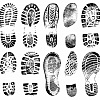 Shoe educational program: what shoe soles are made of
“What is the difference between TEP and EVA? What does tunit promise me? Is PVC glue? What is the sole of these shoes made of? ”- the modern buyer wants to know everything. In order not to smash his face in front of him and be able to explain whether such a sole suits him in soles, carefully read this article. In it, process engineer Igor Okorokov tells what materials the soles of shoes are made of and what makes each of them so good.
 How to set prices that will earn
Some businessmen still confuse the concept of margin with the concept of trade margins and set prices for their goods, guided solely by the example of competitors. No wonder they go broke! Analyst at the Academy of Retail Technologies Maxim Gorshkov gives several tips and formulas with which you can set not only ruinous, but also profitable prices.
 Sales of shoes and accessories: effective techniques for business rhetoric
Which speech modules are effective in communicating with potential and current customers of shoe stores, and which are not, Anna Bocharova, a business consultant, knows.
 We form the salary of sellers: expert advice
“How do you charge your consultants for personal or general sales?” Is one of the most popular questions causing a lot of controversy and gossip on the online forums of retail business owners. Indeed, how to properly form the earnings of sellers? But what about bonuses, where to get a sales plan from, do employees allow them to buy goods at discounted stores? In search of truth, the Shoes Report turned to a dozen shoe retailers, but no company wanted to disclose its motivation system - the process of its development was too complicated and individual. Then we asked four business consultants, and finally became convinced that the topic of seller motivation is very complex, because even our experts could not come to a common opinion.
 The whole truth about Bayer. Who is he and how to become one?
Bayer is no longer a new, but still a popular and sought-after profession. It’s fashionable to be a buyer. Buyers are at the origins of the emergence and development of trends. If the designer offers his vision of fashion in the season, then the buyer selects the most interesting commercial ideas. It is on buyers that the policy of sales of stores and what, in the end, the buyer will wear depends on. This profession is surrounded by a magical fleur, often associated with a lack of understanding of what exactly is the work of a buyer.
 Technology Selling Issues
There is nothing worse than meeting the buyer with the words “Hello, can I help you with something?”, Because the seller works in the store just to help. Criticizing this well-established pattern of communication with the buyer, Andrei Chirkarev, business coach for effective sales and the founder of the New Economy project, shares the technology of truly selling issues with readers of Shoes Report.
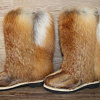 Fur, and not only: types of lining
In the production of winter footwear, various materials are used that are designed to retain heat and meet the requirements of consumers: natural sheepleather, artificial fur, artificial fur from natural wool and others. All types of lining fur have their own advantages and disadvantages. Let's consider the properties of each of them.
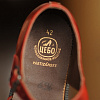 The best models of Czech shoes of the past
In Soviet times, for shoes from Czechoslovakia sold under the Cebo brand, customers stood in line for four hours and did not regret it, because Czech shoes were considered to be of high quality, comfortable and fashionable. Shoe designer Juraj Shushka shared a photo archive of his collection with Shoes Report magazine, which contains the most interesting Cebo models from the 1940's to the 1980's.
 Retail Arithmetic
Before you begin to solve specific problems, you need to find out how accurately all the leaders of your company understand the basic terminology of retail.
 How to fire a worker without tears, scandal and trial
Sooner or later, any manager is faced with the need to part with an employee. Correctly and on time the dismissal procedure will save the company money, and the boss himself - nerves and time. But why sometimes, knowing that a break in relations is inevitable, we postpone the decision for months?